The southern plains
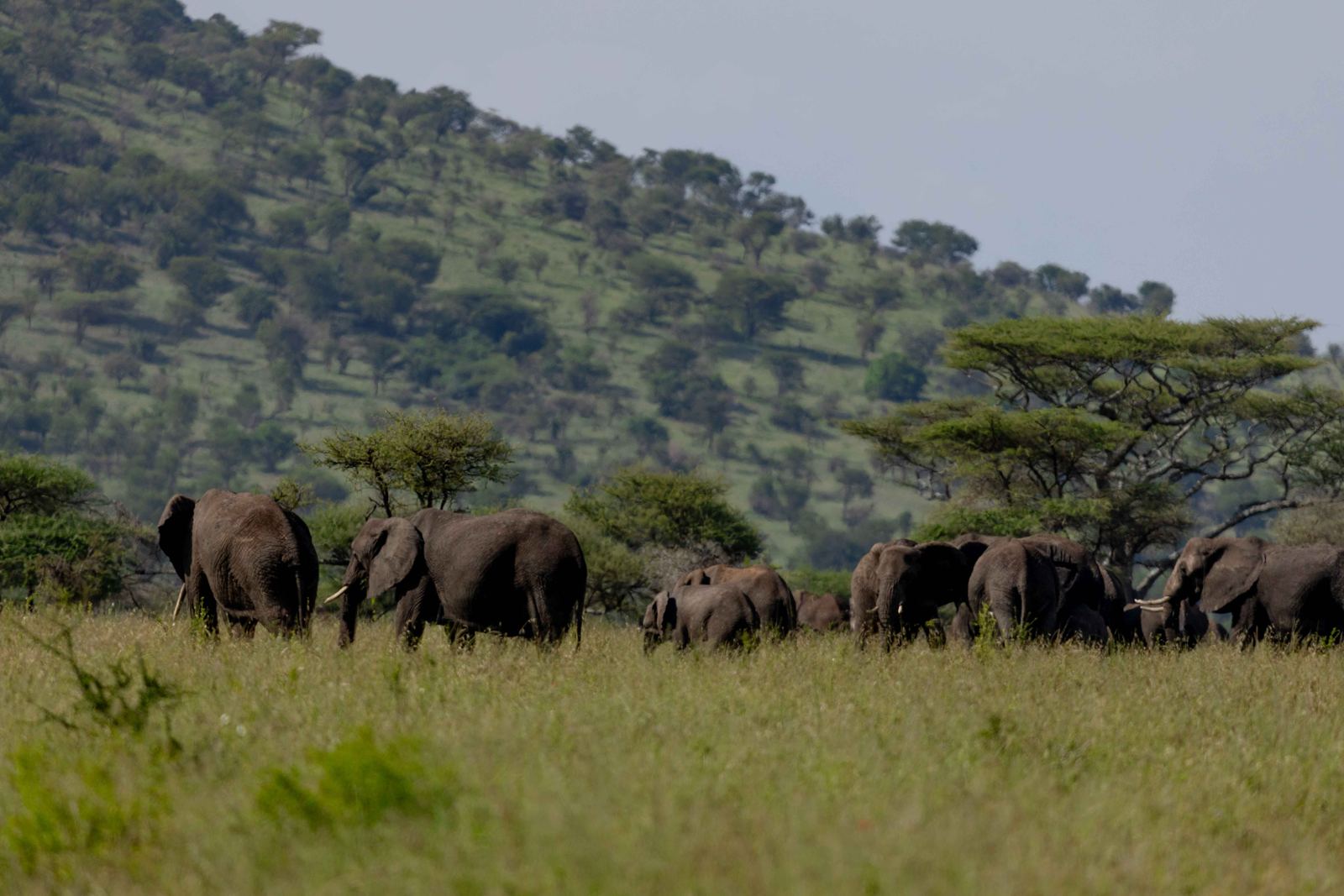
Short grass over volcanic soil, almost treeless, and the calving grounds from roughly January to March. Sightlines run for kilometres, which makes predator activity unusually visible.
Private safaris across Tanzania & East Africa
Talk to a safari designerNorthern Tanzania
Endless plains, resident predators, and the rhythm of the migration.
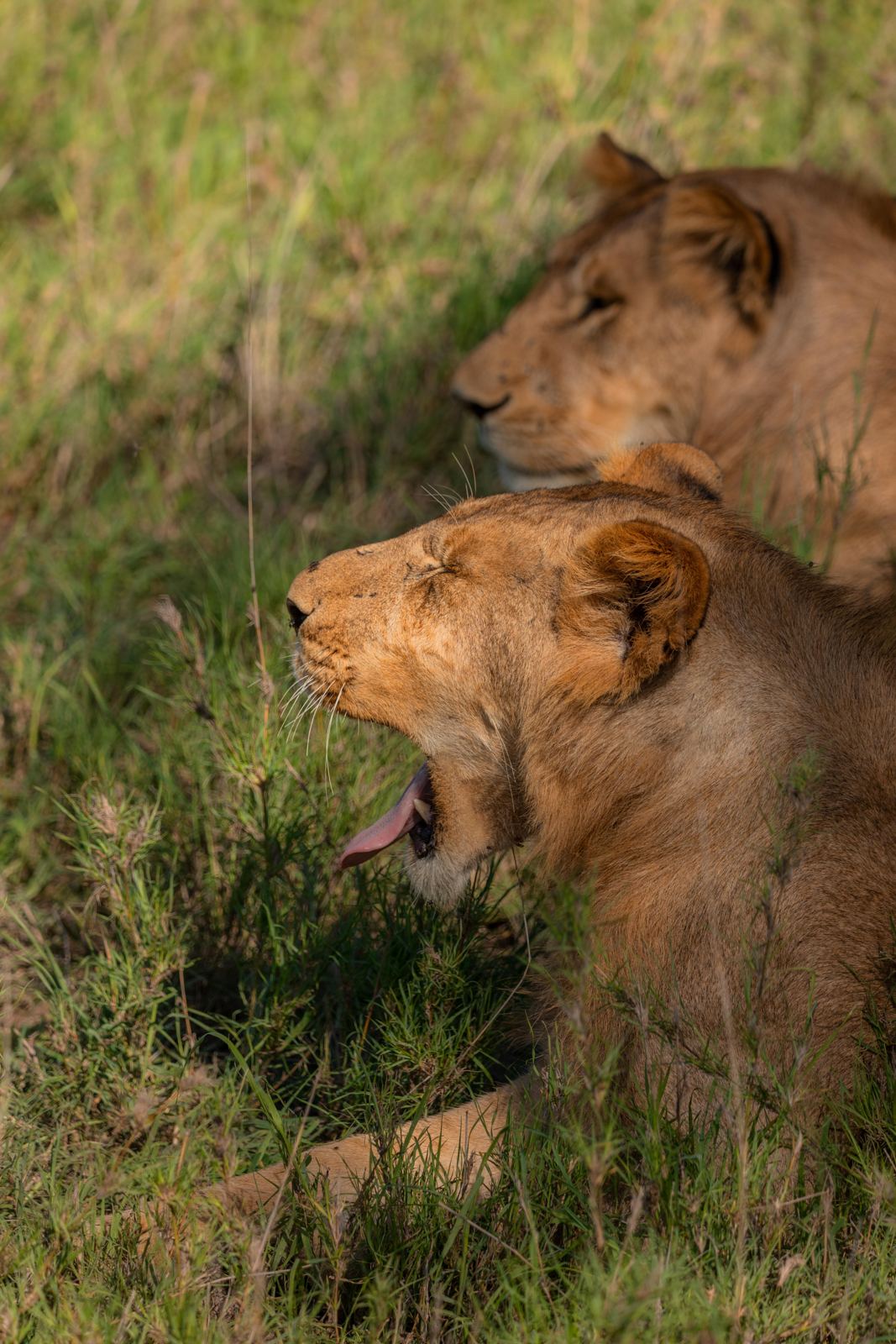
The Serengeti is less a single place than a system - short-grass plains in the south, granite kopjes and river country through the middle, and woodland and river crossings in the north. The wildlife moves through it continuously, and where you stay matters more than how long you stay.
We plan Serengeti time around the season first and the camp second. In February that means the calving grounds near Ndutu; from July it usually means the north, within reach of the Mara River.
Short grass over volcanic soil, almost treeless, and the calving grounds from roughly January to March. Sightlines run for kilometres, which makes predator activity unusually visible.
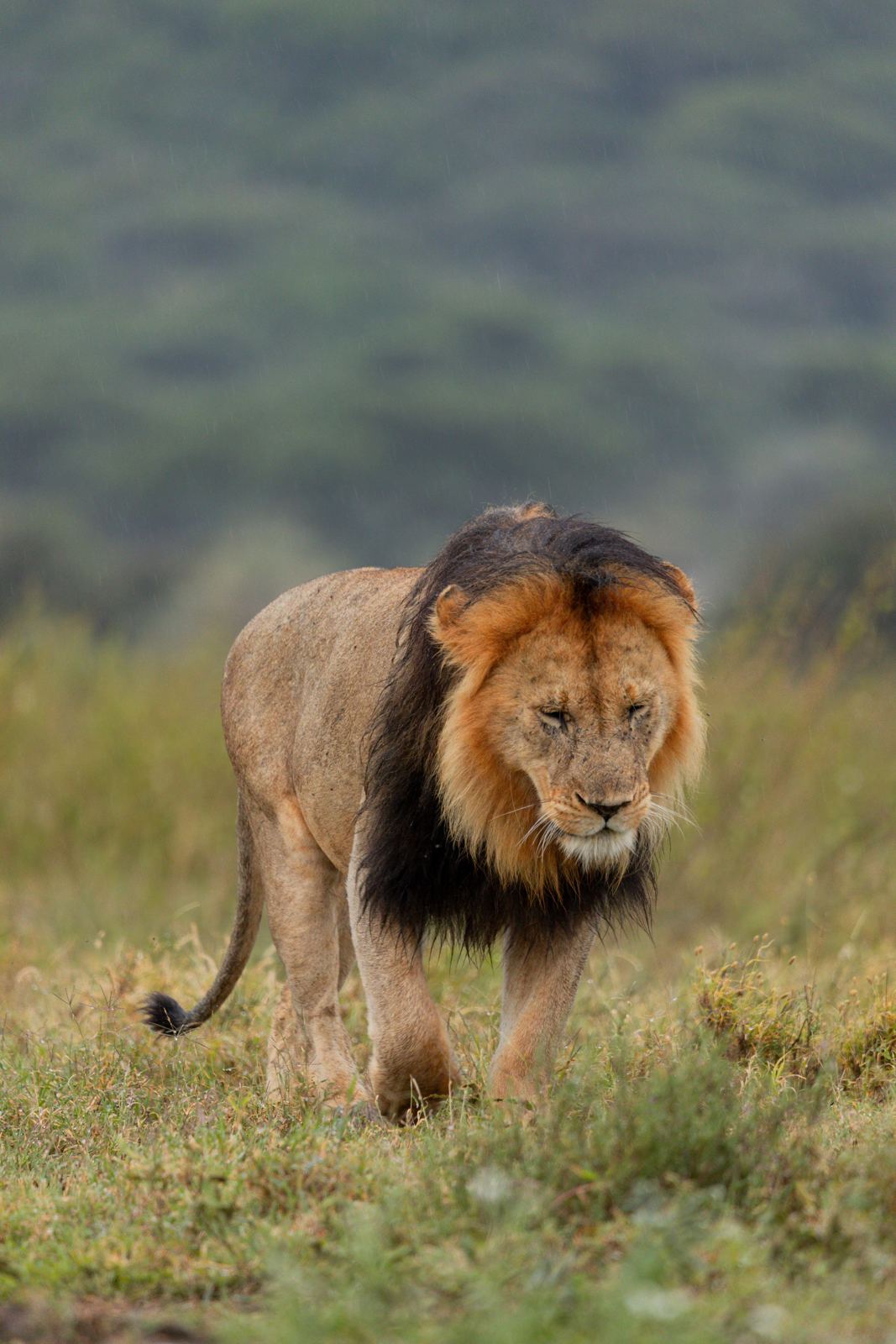
The central corridor holds water year-round, so it holds resident lion, leopard and cheetah year-round too. It is busier than the rest of the park, and worth an early start.
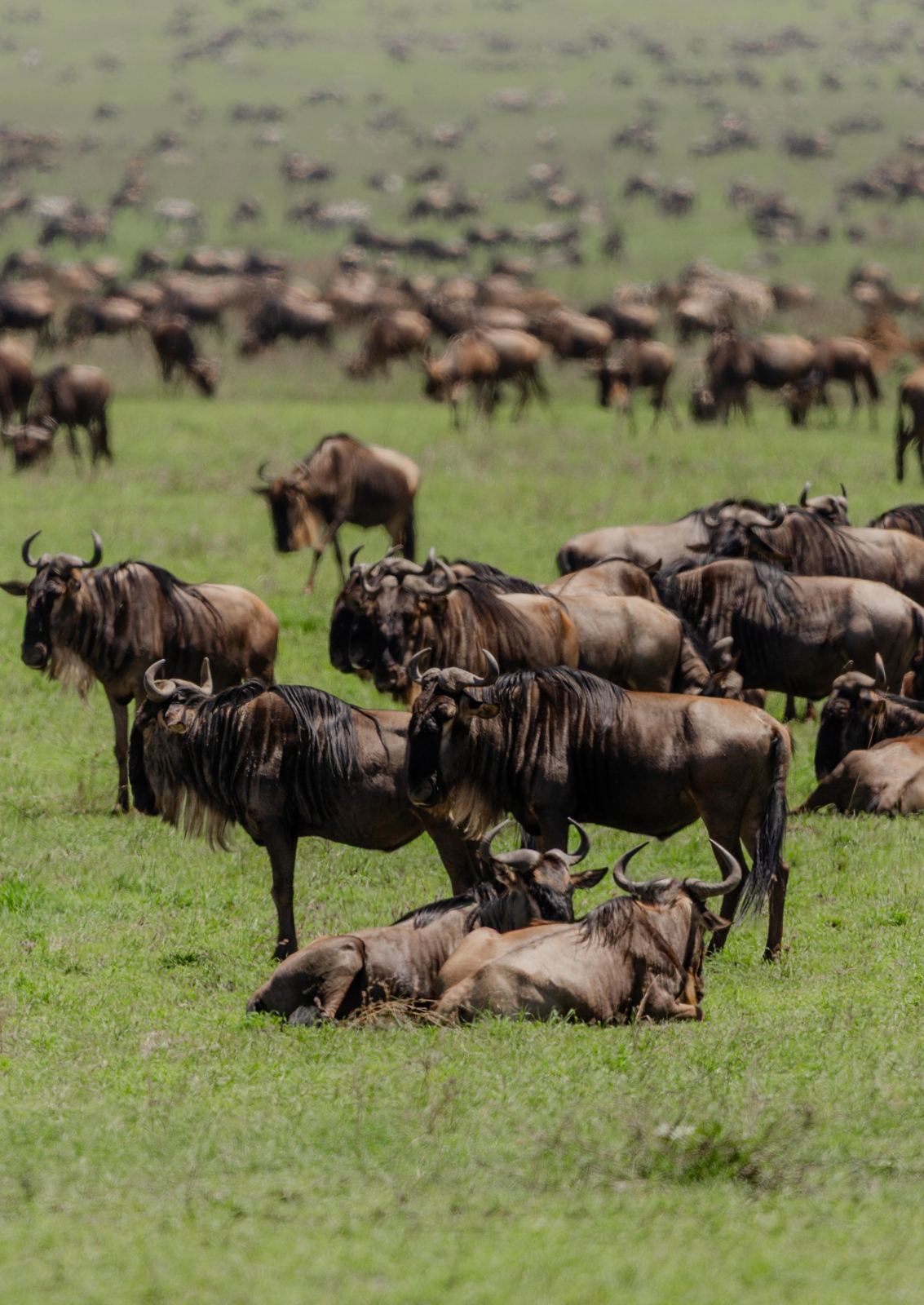
From July into October the herds gather along the Mara River. Crossings cannot be scheduled - you position, you wait, and sometimes you wait again the next day.
A direct Serengeti-focused fly-in itinerary that maximizes time in the park and reduces road travel.
A premium beach-to-bush combination that links Zanzibar with a seamless luxury safari in Tanzania’s top wildlife landscapes.
A fly-in Northern Circuit sample that covers the flagship parks in a short but efficient format.
A caldera of extraordinary density, best entered before the light arrives.
Baobab country and elephant herds along the river.
Foothill forest, coffee farms and the mountain above everything.
Indian Ocean quiet, dhow sails and slow days to close a journey.